I grew up with two English teachers for parents, so I was lucky enough to grow up in a house that encouraged reading as much as possible. This page is a little glimpse in to the books that have shaped me and the books I am currently reading. I invite you to check out my full Goodreads page in the link above if you want to learn more!
Many of the books I engage with reflect my academic interests, but you'll also find titles that have challenged me personally, offered unexpected insight, or simply captured my imagination. I use Goodreads to write brief reflections, highlight key ideas, and revisit books that continue to resonate long after I’ve finished them.
If you're interested in what informs my research, writing, or broader worldview, this is a good place to start. You're welcome to explore my shelves, follow along, or share your own recommendations, I’m always open to thoughtful dialogue around books and ideas.
Some of My Forever Favorites:
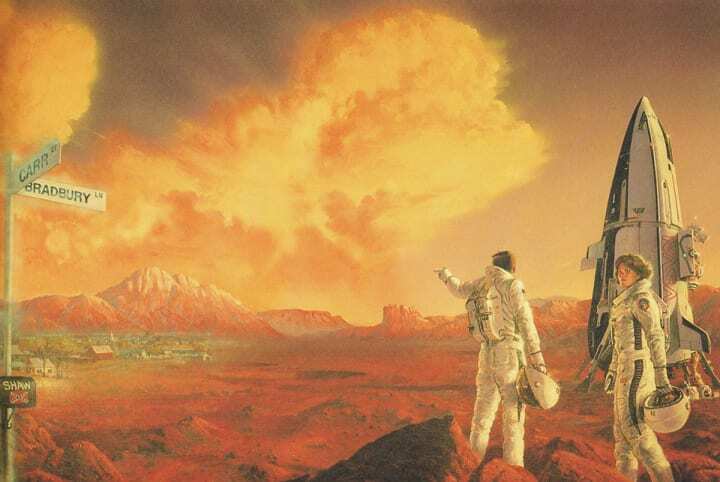
Ray Bradbury’s The Martian Chronicles is a haunting, poetic meditation on colonization, nostalgia, human ambition, and loss. a series of interwoven stories that use Mars not as a setting for escape, but as a mirror for Earth. In Bradbury’s Mars, he writes with the lyrical rhythm of a poet, turning Martian landscapes into dreamscapes and quiet moments into revelations. Every page is thick with atmosphere, loneliness, wonder, regret. Even the shortest stories leave a lasting emotional weight. Bradbury’s critique of imperialism and ecological destruction is subtle but powerful. His warnings about technology, conformity, and forgetting the past feel even more urgent today. Yet, despite its melancholy, the book never feels hopeless.
I reread it at least twice a year 10/10, my favorite book.
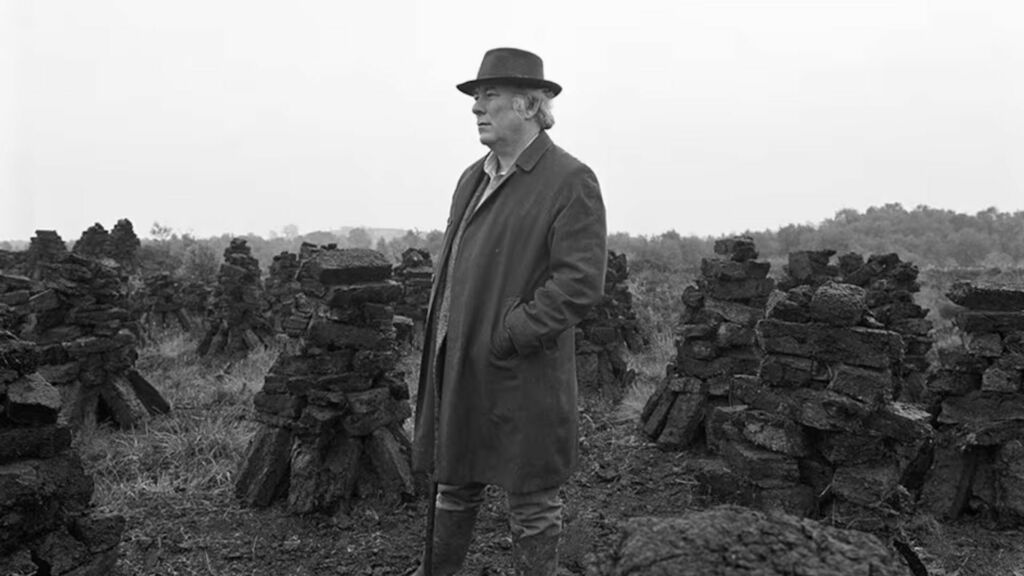
Heaney's work is a collection I return to again and again for its clarity, its grounded beauty, and its ability to hold contradiction: intimacy and history, violence and grace, grief and renewal. In these one hundred carefully chosen poems, we encounter not just Heaney the master poet, but Heaney the witness, the thinker, the citizen.
What makes this book stand out among countless poetry collections is its emotional precision. Heaney writes with an almost archaeological sensitivity, digging through language, landscape, and memory to uncover something of his.
His politics are rarely overt or ideological; instead, they are embedded in the grain of his poetry. He writes as someone shaped by conflict but not defined by it. As poet writing through the Troubles, Heaney refused to become a spokesman, yet his work remains politically charged in its moral clarity, restraint, and refusal to simplify.
Another 10/10, Heaney is of the best in my opinion.
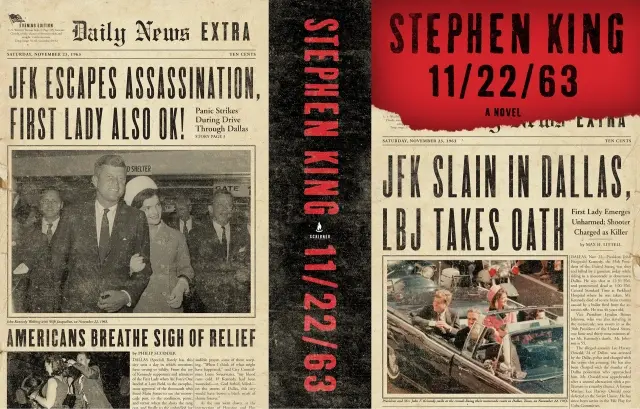
While it is a classic crazy Stephen King book about time travel to save JFK, what makes it lovable is at its core, it’s a deeply human narrative about memory, loss, and the irreversible consequences of even our most well-intentioned actions. What drew me in and what continues to move me, is how King uses time travel not as a gimmick, but as a way to explore moral ambiguity and personal transformation. The book is meticulously researched, and the historical detail is immersive without ever becoming didactic. You feel the texture of late-1950s and early-1960s America: the music, the racism, the optimism, the Cold War tension, the smell of car exhaust and fresh cut lawns. It’s not just a backdrop; it’s a living world. 11/22/63 stands out because it balances scale and intimacy. It grapples with one of the most iconic events in American history, but never loses sight of the individual lives that history shapes. It’s a novel about how hard it is to do the right thing when every action has ripples; about how love, even when it doesn’t last, can still be transformative.
9/10, my favorite Stephen King story
My Current Reads:
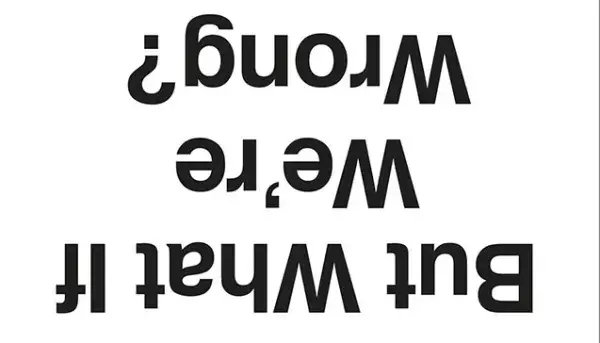
Chuck Klosterman turns our assumptions about the present upside down by asking a deceptively simple question:What if everything we believe today; about science, history, literature, even reality itself, is eventually proven wrong?
My studies revolve around interpreting the past and understanding the structures that shape global events, but Klosterman’s approach invites a deeper level of reflection. What if the frameworks we rely on today will someday seem misguided or irrelevant? His exploration of uncertainty, cultural legacy, and shifting truths resonates with the kind of critical thinking that’s essential in both historical analysis and international policy.
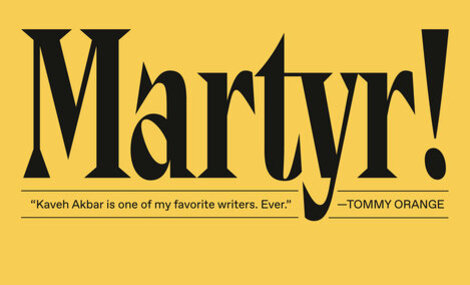
In Kaveh Akbar's debut novel, he offers a deeply personal and poetic lens that explores faith, addiction, identity, and the complicated legacies of immigration and displacement. Centered on a queer Iranian American man navigating personal and ancestral ghosts, the novel unfolds as a meditation on what it means to live meaningfully in the shadow of loss, longing, and spiritual hunger.
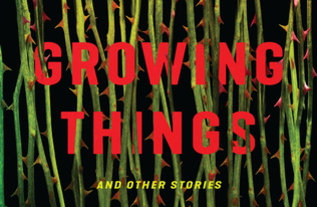
I have always been a fan of Paul Tremblay's work. Tremblay doesn’t just aim to scare, he unsettles, disorients, and makes you feel the horror as something intimate and human. If you're drawn to fiction that leaves lingering questions and invites interpretation, this collection rewards careful, thoughtful reading. It’s perfect for fans of literary horror that pushes beyond genre conventions to explore the psychological terrain of fear, memory, and uncertainty. Each story explores themes of dread, grief, reality, and the stories we tell ourselves to survive the unexplainable. Growing Things is a chilling, inventive collection of short stories that showcase Paul Tremblay’s gift for unsettling narratives that blur the line between psychological and supernatural horror.
